
Can Angel Numbers Be Christian? Faith, Scripture, and Angelic Messages
Learn the answers to can angel numbers be Christian. Discover their role in faith as signs of God’s presence, biblical symbolism, and messages from guardian angels
Table of Contents
Angel numbers can be Christian only if you test them against Scripture, align them with the gospel of Christ, and bring them into community discernment. These sequences often feel meaningful, but their origin isn’t biblical by default. Look for confirmation in character, fruit, and biblical themes, not superstition. Use prayer, wise counsel, and Scripture as your filter. If they steer you toward love, truth, and mercy, they may fit; otherwise, treat them with caution. More insights await.
What Angel Numbers Are: Origins, Meanings, and Christian Uses
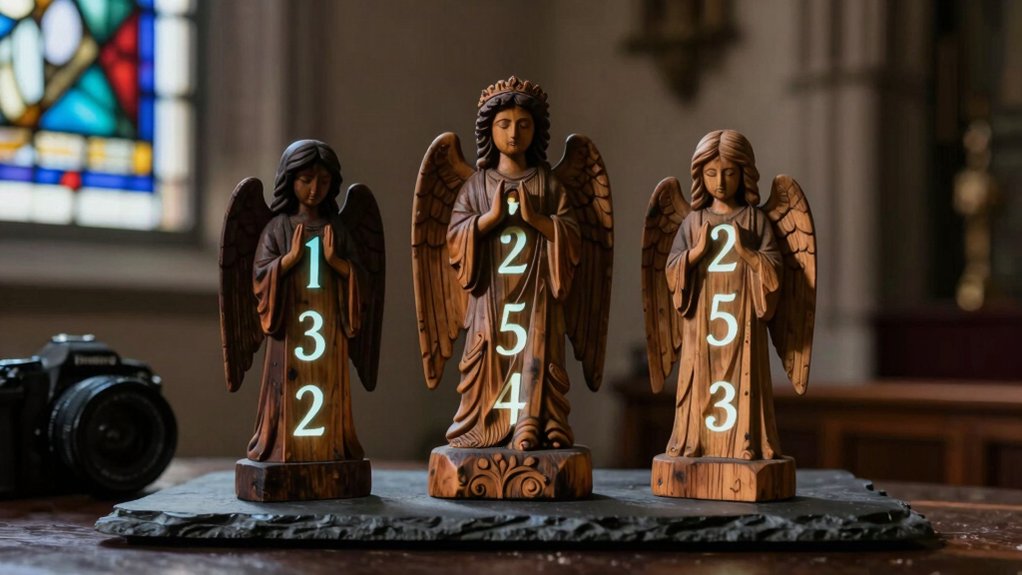
Angel numbers are sequences—like 111, 222, or 333—that people notice repeatedly in daily life, and many view them as messages from the divine or the universe guiding thoughts, decisions, or prayers.
You feel the pull when patterns align, and you interpret meaning through personal resonance and shared cultural cues. The phenomenon blends psychology and symbolism: repetitive digits imprint intention, focus, and momentum, shaping how you move through choices.
In this framework, numbers carry weight because of intent and communal acknowledgment, not luck alone. Angel number symbolism emerges as a language you use to align actions with deeper aims.
Numerology origins trace back to early mysticism, yet its practical power rests in disciplined observation and purposeful application.
Do Angel Numbers Carry Biblical Messages? A Discernment Framework
You’ll want to ask if a number’s message lines up with scripture, using a Biblical Alignment Check as your compass. Then you’ll apply Spirit-Led Discernment Tools to test intuition against context, prayer, and community witness.
Finally, you’ll seek Contextual Biblical Corroboration to see whether the pattern holds across texts, themes, and faithful interpretation.
Biblical Alignment Check
To assess whether angel numbers carry biblical messages, you should first establish a clear discernment framework that centers on alignment with Scripture, testable evidence, and Christian orthodoxy.
You test each sequence against canonical narratives, doctrinal boundaries, and the plain meaning of verses, not personal hunches.
When a number resonates, ask: does it point to Christ, God, truth, and obedience, or to subjective sensation?
Your verdict rests on corroboration from Scripture, history, and tested experience, never on superstition.
This is a power move toward robust faith, not wishful numerology.
If a claim withstands scrutiny, it passes the alignment gate; if it falters, you reject it—without fear.
Beware superstitious beliefs and numerology skepticism that masquerade as insight, and stay anchored in the Word.
Spirit-Led Discernment Tools
We’ve laid a clear framework for evaluating biblical alignment, and now we turn to tools that empower Spirit-led discernment. You’ll test impressions against witness, scripture, and community confirmation, not lone intuition.
Use prayerful stillness to sense the impulse behind repeated numbers, and track how your leading harmonizes with sound doctrine. Angel number symbolism can illuminate patterns, yet you stay anchored: numbers don’t redefine revelation, they point you toward truth already declared.
Document insights, compare them with the whole counsel of God, and invite wise peers to weigh your discernment. This framework respects discernment as active partnership with the Spirit, not control, ensuring that numerology vs theology remains in rightful order, guiding obedience rather than spectacle.
Contextual Biblical Corroboration
Contextual Biblical Corroboration: do angel numbers carry biblical messages? You seek clarity, so you test signals against Scripture, tradition, and credible witness. You map numbers to their biblical echoes—doors, dreams, and forms—then weigh concordance, context, and effect on faith practices. When patterns align with clear Scriptural motifs, you call it providential, not peripheral; when they drift, you reframe as symbolic, not canonical.
You scrutinize authorship, genre, and audience, asking who benefits and how the message transforms worship, ethics, and proclamation. You guard against superstition by demanding explicit, redemptive aims and Biblically anchored interpretation.
Spiritual symbolism invites discernment, but your authority rests on Jesus as Lord of all revelation. Your discernment framework honors Scripture, tests experiences, and strengthens purposeful faith.
How Christians View Signs and Guidance in Daily Life
Signs and guidance for Christians often arrive as quiet nudges rather than loud directives, appearing in daily moments, conversations, and scripture that speak to the heart as much as the head. You learn to listen for patterns, timing, and confirmations that hint at divine intervention and spiritual symbolism guiding choices with purposeful weight.
- Observe how recurring signs align with Scripture and conscience, signaling movement toward a decision.
- Pause before action, testing impressions against love, truth, and mercy to ensure integrity.
- Track outcomes, noting whether steps deepen faith, unity, and service to others.
- Seek wise counsel and prayerful discernment to distinguish personal preference from divine promptings.
How to Discern Guidance That Aligns With Scripture

Guidance that aligns with Scripture begins where scripture already speaks, filtering impressions through its themes of love, truth, and mercy. You test whispers against clear passages, listening for consistency more than novelty.
You interpret signs through spiritual symbolism, ensuring meaning rises from the text, not from wishful projection. When a coincidence resembles a biblical pattern, you seek corroboration in character, fruit, and steadfast alignment with Christ’s teachings.
You acknowledge divine intervention, but you measure it by restored trust in God’s promises, not adrenaline or certainty cravings. Your discernment gathers data from prayer, community, and thoughtful study, then submits to the Spirit’s discernment, preserving humility.
This process strengthens authority, clarity, and courage to act without violating Scripture’s sovereign authority.
Practical Paths for Christians Noticing Angel Numbers
You’ll notice angel numbers as prompts to test what you’re hearing against Scripture, weighing meanings with clear, practical checks.
Use practical discerning steps to observe pattern, context, and fruit, then compare with biblical principles and Christ’s teaching.
Let the process feel evidentiary—testimony from observation, not superstition—so your discernment stays aligned and precise.
Practical Discerning Steps
Practical steps begin with discernment: when you notice a number appearing in a meaningful way, pause, verify the source, and anchor your next actions in Scripture and community.
- Seek Scripture-based interpretation first, resisting rushes toward private meaning.
- Test impressions with trusted believers to sharpen spiritual intuition and avoid misreadings.
- Compare patterns with numerology symbolism, distinguishing symbolic resonance from speculative mysticism.
- Act transparently, documenting observations for accountability and continual discernment.
These steps empower you to discern with clarity, grounding insight in communal wisdom and biblical truth.
You cultivate a disciplined posture that turns signs into steady practice, not superstition. Stay lean, precise, and evidence-minded as you navigate patterns, ensuring your next steps serve Christ, neighbor, and rightful authority.
🔮 Shop Angel Number Oracle Cards On Amazon
Divine guidance through beautifully illustrated oracle card decks
Scriptural Alignment Checks
Scriptural alignment begins when you pause to test every observed number against the truth of Scripture, letting the Word set the measuring stick for meaning and motive. You weigh numerology beliefs against clear doctrine, not charisma or culture.
If a sequence tempts you into superstition, you reject it with evidence-driven caution, tracing how a symbol aligns or wars with biblical names, promises, and warnings. Cultural symbolism can entice, but you press for context, authorship, and purpose—does the signal accuse or affirm Christ’s central work?
You seek consistency: does the number reveal God’s character, or mirror human longing rather than divine revelation? Practically, journal observations, compare with Scripture, and invite accountability. Power flows when discernment rests on Scripture, not sensation or trend.
Boundaries, Worship, and Community Discernment
Boundaries, worship, and community discernment intersect when signs like angel numbers prompt believers to test what feels true together. You measure spiritual boundaries by what aligns with scripture, conscience, and communal care, not by novelty alone. Worship practices become tests of integrity, revealing whether you lead, follow, or hesitate out of fear.
You cultivate trust in communal discernment, inviting accountability, transparency, and evidence-based reflection. Power looks like restraint, clarity, and a shared posture of humility before truth. You resist private mysticism that isolates and replace it with transparent dialogue and liturgical integrity.
- Define boundaries that protect the vulnerable while inviting sincere dialogue.
- Script worship practices that center Christ, not personal experience.
- Test revelations in community with objective safeguards.
- Document discernment outcomes for ongoing accountability.
Frequently Asked Questions
Do Angel Numbers Replace Biblical Instruction or Scripture?
No, angel numbers don’t replace biblical instruction or scripture; they supplement your journey, not override biblical authority. You interpret spiritual symbolism carefully, grounding insights in scripture, asserting God’s truth while recognizing signs to guide your faith-based decisions.
Are Angel Numbers Compatible With Core Christian Doctrine?
Angel numbers aren’t compatible with core Christian doctrine, you should weigh Biblical symbolism and Christian numerology carefully; you’ll find cautious, evidentiary guidance suggesting alignment is limited, not foundational, so proceed with discernment and prudent interpretation.
Can Angel Numbers Be Used in Worship or Prayer?
Yes, you can incorporate Numerology practices and spiritual symbolism in personal prayer, but you must discern context, intention, and humility, ensuring worship remains centered on God’s guidance rather than numerological power or superstition.
What Authoritative Sources Discuss Angel Numbers in Christian Theology?
Yes, you’ll find scarce, debated authority; biblical numerology and Christian symbolism appear in scattered sources, but no consensus. You’ll trust cautious scholars, noting limited doctrinal binding, while maintaining rigorous, intuitive, evidentiary caution about angel numbers.
Do Angel Numbers Indicate Supernatural Guidance From God or Other Spirits?
You doubt not just yet: numerology conflicts hint you receive impulses that feel like supernatural guidance, though you must test them, as you seek spiritual independence, weighing evidence before attributing messages to God or others.
Conclusion
You want to know if angel numbers fit your Christian walk, and the answer isn’t yes or no alone. They can be prompts, not dictates, inviting you to Scripture, prayer, and discernment. Treat them like a compass needle that points inward toward faith, not outward toward superstition. When guidance aligns with God’s Word, you gain clarity; when it doesn’t, you let it pass. In the stillness, your steps become evidence that you’re choosing Him over awe.